As an Amazon Associate, we earn from qualifying purchases. Some links on this site are affiliate links at no extra cost to you. Our recommendations are based on thorough research and editorial judgment.
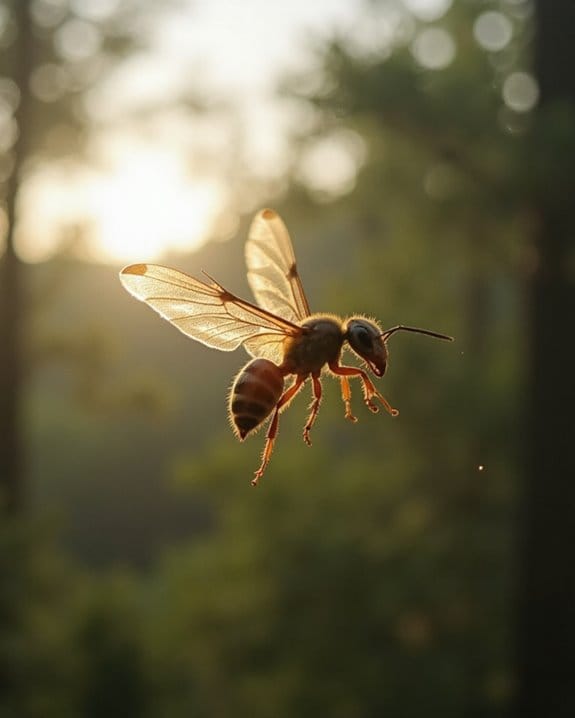
Why Do Drone Ants Die After Mating? Understanding Their Life Cycle

Drone ants die after mating because their only job is reproduction. You’ll notice these winged males don’t gather food or defend the colony; instead, they’re designed for one fast, high-stakes mission: mate with queens during the nuptial flight. Once they’ve done that, their bodies quickly break down, wings fall off, and they perish within days. This keeps resources focused on the colony, avoids competition, and guarantees healthy genetic diversity. Stick around for a breakdown of their life cycle stages and roles.
Key Takeaways
- Drone ants are born solely to mate with queens, ensuring genetic diversity in the colony.
- After mating, drones quickly die because their physiology is specialized only for reproduction, not survival or labor.
- Drones lack the ability to forage, defend, or reintegrate into the colony after mating.
- Their rapid death conserves colony resources, preventing unnecessary competition with workers.
- This short post-mating lifespan is an evolutionary strategy to maximize efficiency and colony success.
The Role of Drone Ants in the Colony
You may be interested
When it comes to the inner workings of an ant colony, drone ants have a job description that’s as specialized as it is short-lived. Your main function as a drone is reproduction—specifically, to mate with a queen during the nuptial flight. Here’s how your role stacks up in the colony’s life cycle:
- You’re produced in large numbers only during the reproductive season.
- Worker ants feed and care for you, since you don’t forage or defend the colony.
- Your sole mission is to fertilize the queen’s eggs, boosting genetic diversity and preventing inbreeding.
- After the nuptial event, you typically die within days, efficiently recycling resources.
Recommended Products

【6 Pack Snap On Drone Lens Accessories】 The kit for your drone gear includes 4 x Neutral Density filter (ND4/ND8/ND16/ND32), 1 x circular polarizing filter, and 1 x UV filter, compatible with DJI Mini 4K Drone with 4K UHD Camera for Adults/ Mini 2 / Mavic Mini / Mini SE / Mini 2SE and Fly More Combos, meeting various photography needs, from glare reduction to long exposure effects, as well as providing lens protection. Simple snap on design makes easy and swift filter attachment and dismounting

PERFECTLY FIT: Filter specifically made for the DJI Mini 4K, mavic mini,mini SE, DJI Mini 2 Camera. It will no effect on gimbal calibration, whether you're capturing landscapes or cityscapes, expect professional-grade results every time.

【Lightweight Design】 The filter frame is made of aviation aluminum alloy, and the edge of the frame adopts CNC non-slip design, which is easy to install and disassemble. It weighs only 1.2g without affecting drone calibration and balance.
Development and Physical Traits of Drone Ants
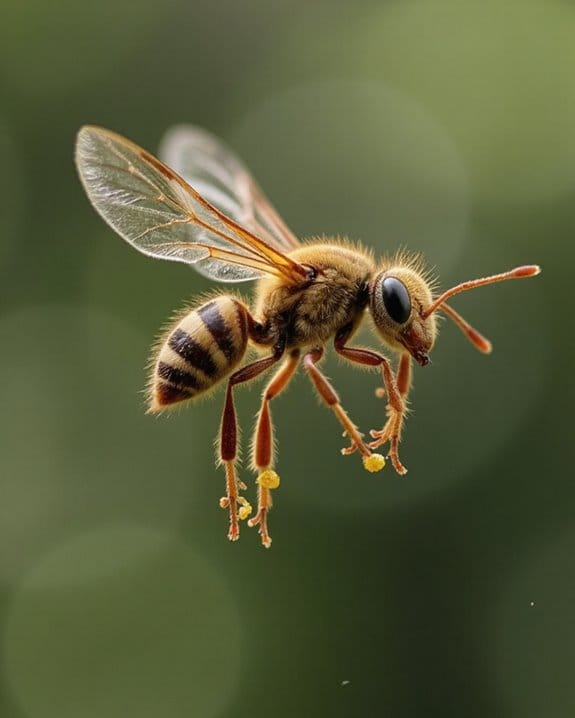
A close look at drone ants reveals a fascinating suite of physical adaptations tailored for one primary goal: successful mating. As winged ants, these flying ants develop from unfertilized eggs, and you’ll notice they’re typically larger than the worker ants—sometimes up to 10 millimeters in length. Their main purpose: to mate during nuptial flights. Compared to workers, winged males have larger eyes and longer antennae, optimizing their ability to find queens.
Key Features:
- Stout, often orange-colored bodies (notably in carpenter ants)
- A single pair of long, clear or yellowish wings
- Lack of stingers
- Wings detach after mating
Drone ants’ short lifespan and regionally varied traits, like size and color, reflect adaptations for their brief but essential reproductive role. Think of them as nature’s one-hit wonders.
Recommended Products

Mavic 4 Pro Dual Focal Length Split Filter Kit: Engineered to overcome the challenges of different focal lengths and apertures, delivering precise exposure control for flawless footage.

【Lightweight Plastic Frame】 Built with a plastic frame, each filter is easy to install and remove from the camera lens. At just 0.024oz/0.7g, it will not affect drone gimbal calibration and balance

【3 Pack Drone Filter Set】 Compatible with DJI Mini 4K, Mini 2 SE, Mini SE, Mini 2, Mavic Mini and Fly More Combos, this circular polarizing neutral density drone filter set elevates your aerial photography and videography to a professional level. Each lens filter quickly snaps onto the camera and locks into place with a hook for secure attachment during flights
The Nuptial Flight: Mating Rituals and Reproduction
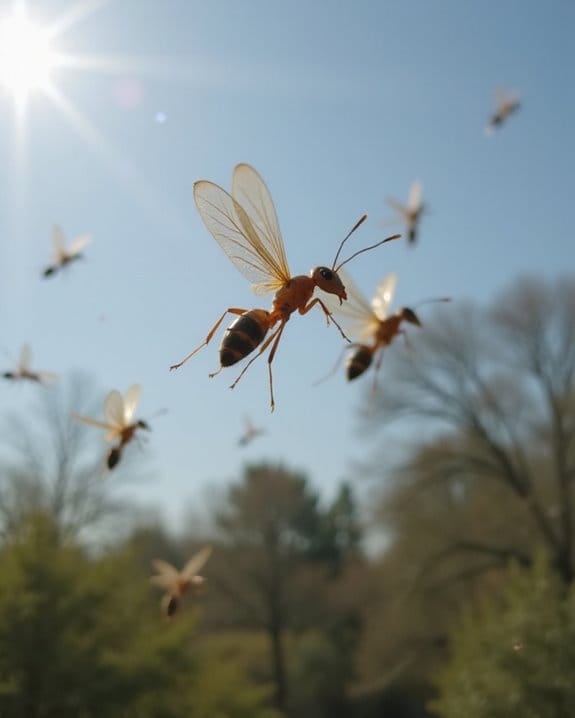
Once drone ants reach maturity, they’re primed for a single spectacular mission: the nuptial flight. During this event, you’ll notice swarms of ants fly into the air—male ants whose sole purpose is to mate with a queen ant. This spectacular mating period is essential for the reproductive cycle, ensuring genetic diversity as queens pair with males from different colonies.
Key details:
- Male ants, whose sole existence is to fertilize eggs, typically die shortly after mating due to depleted energy reserves.
- The nuptial flight is triggered by warm, humid conditions, maximizing survival chances.
- Queens mate with several drones, storing sperm to fertilize eggs for years.
In essence, these ants’ sole purpose is to mate, making the nuptial flight their final, high-stakes mission.
Recommended Products

Compatible with Z908 Pro quadcopter.

Flight Safety: Drone propeller guard separates the propeller from the outside to prevent the propeller from accidentally injuring people and cutting things, enhancing flight safety.

Enhanced Safety:JY08 PRO Propeller Guard provides robust protection for your propellers, reducing the risk of damage during flights and collisions.
What Happens to Drone Ants After Mating
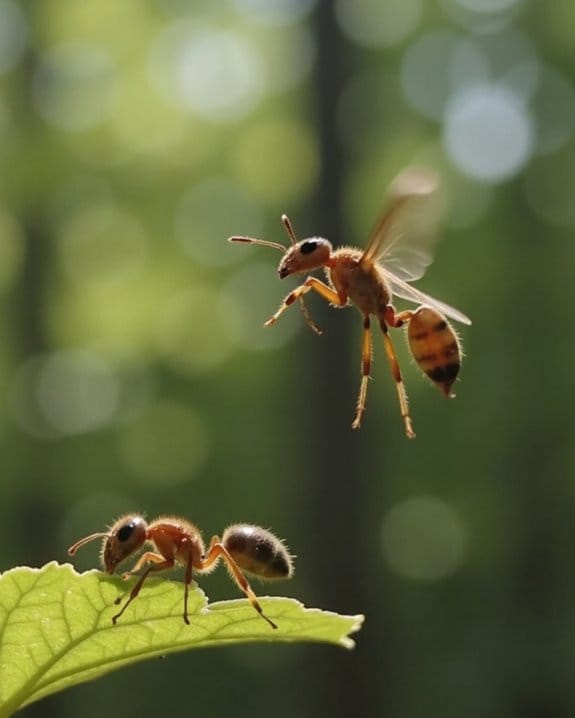
Curiously, what really happens to drone ants after their dramatic nuptial flight? Once these winged insects fulfill their sole role in the reproduction process, their journey nears its end. Here’s a quick breakdown of what you should know about this stage in the ants life cycle:
Key Outcomes After Mating:
- Drone ants shed their wings after mating, so they’re no longer flying insects.
- They don’t return to colonies or assist with tasks—no foraging, no defense, no babysitting new queen ants.
- Drones can’t survive long independently; most die within a day or two.
- Their life is purpose-built: they exist only to guarantee genetic diversity and help start the next cycle of an ant colony.
If you’re an ant, post-mating life is short—but essential for the species.
Biological Reasons for the Short Lifespan of Drones
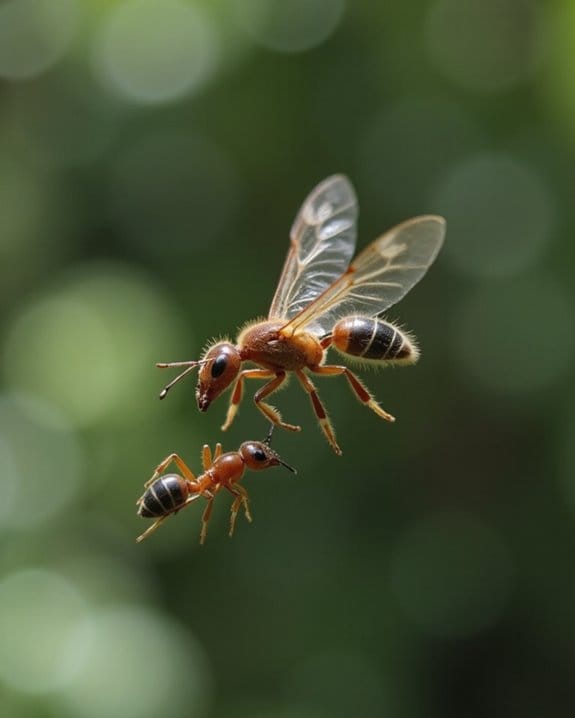
The brief existence of drone ants isn’t just an accident of nature—it’s a calculated evolutionary strategy. In ant colonies, drones play a vital role in ant reproduction, but their primary role ends after mating. Drones tend to fly out during nuptial flights, expending all their energy to seek mated queens. They exhibit unique characteristics: larger eyes and specialized antennae, but their bodies lack the adaptations needed for long-term survival.
Key Biological Specifications:
- Short lifespan: Drones typically die within days post-mating.
- Limited physiology: Focused on reproduction, not defense or feeding.
- Resource conservation: Prevents competition with worker ants in the ant colony.
Simply put, nature’s efficiency guarantees that the ant species thrives—drones do their job, then bow out, making room for the next generation.
How Drone Ants Contribute to Colony Survival
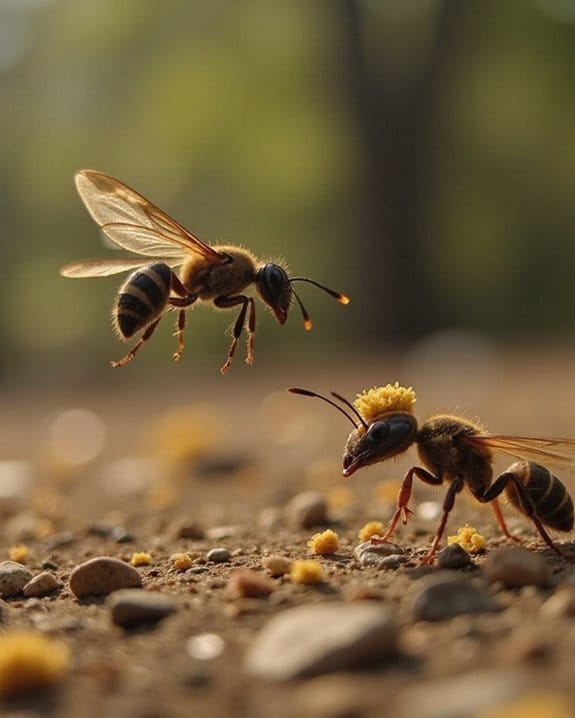
While drone ants might seem like short-lived extras in the colony’s story, their brief existence packs a powerful punch for long-term survival. Over several weeks, drones are produced in large numbers across many ant species, and they play a crucial role in colony dynamics by ensuring the colony’s future.
Key Contributions of Drone Ants:
- Genetic Diversity: By mating with queens from a different colony, drones promote genetic mixing, helping colonies adapt to changing environmental conditions in the natural world.
- Population Growth: Their single-minded focus on reproduction enables the founding of new colonies, which is critical for the survival of species of ants.
- Resource Efficiency: After mating, drones die, allowing workers to focus energy on essential tasks rather than supporting non-reproductive males—a model of insect efficiency.
Recommended Products

【Light Reduction Effect】ND2-32 provides 1-5 stop light reduction, ND32-512 provides 5-9 stop light reduction, variable nd filter can be adjusted according to photography scene need.
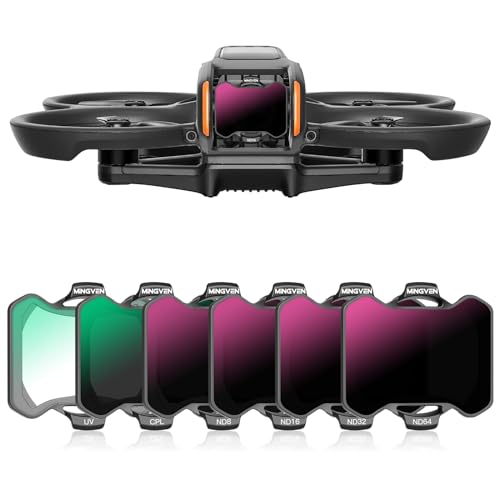
MINGVEN Avata 2 nd filters set includes 6-pack filters (UV, CPL, ND8, ND16, ND32, and ND64). Offer precise exposure adjustments for your drone photography needs. With light reduction ranging from 3 to 6 stops, ensure optimal shutter speeds in varying lighting conditions, ideal for daily photography light reduction needs.

【4-Pack Avata 2 ND Filter】This latest 4-Pack ND Filter Kit From K&F CONCEPT is specially designed for DJI Avata 2, which includes ND8, ND16, ND32, and ND64. Features ultra-lightweight, it ensures your drone gimbal safe, and made of top optical glass to help reproduce uncompromised pictures, it's a valuable addition to your droneshot toolkit.
Differences Between Drone Ants, Workers, and Queens
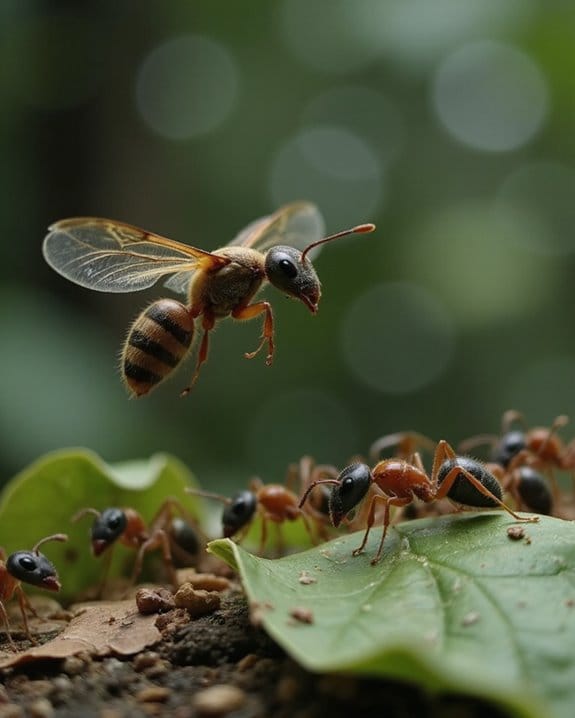
When you look inside an ant colony, you’ll find a remarkably organized division of labor, with each caste engineered for a specific role. To understand ant life, let’s break down the main colony members:
Drone Ants:
- Large, winged males.
- Sole purpose: mate with queens during nuptial flights.
- Short-lived and contribute nothing to nest maintenance.
Worker Ants:
- Smaller, wingless ants are sterile females.
- Perform specific jobs: foraging, feeding young, defending the nest.
- Backbone of social structures, living for months or even years.
Queens:
- The largest ants.
- Responsible for laying thousands of eggs, often living up to 15 years.
- Rely on workers for support and colony upkeep.
Each caste’s specialization guarantees efficient colony function—nature’s ultimate ant-omization.
Recommended Products

【Designed for Mavic 4 Pro】 Compatible with DJI Mavic 4 Pro, this drone camera lens ND filter accessories set includes four neutral density filters (ND8 + ND16 + ND32 +...
Frequently Asked Questions
Why Do Flying Ants Die After Mating?
It’s no coincidence—once you’ve seen flying ants after a summer storm, you’ll notice they vanish quickly. That’s because, after mating, they’re spent and not built to survive, so they die off, fulfilling their one purpose.
What Happens to Drone Ants After Mating?
After mating, you’ll notice drone ants quickly lose their wings and die within a day or two. They don’t return to the colony or perform any roles, as their only purpose was reproduction during the nuptial flight.
Why Do Queen Ants Remove Their Wings After Mating?
Imagine watching a Lasius niger queen chew off her own wings right after mating—she’s not hurt, just preparing for life underground. By removing her wings, she’s conserving energy, avoiding predators, and getting ready to start her colony.
Why Do Ants Die When the Queen Does?
When the queen ant dies, you’ll notice the colony can’t produce new ants because only she lays eggs. Without replacements, workers eventually die out, and the colony collapses since there’s no way to sustain its population.