As an Amazon Associate, we earn from qualifying purchases. Some links on this site are affiliate links at no extra cost to you. Our recommendations are based on thorough research and editorial judgment.
Why Drones Are Transforming Education Today

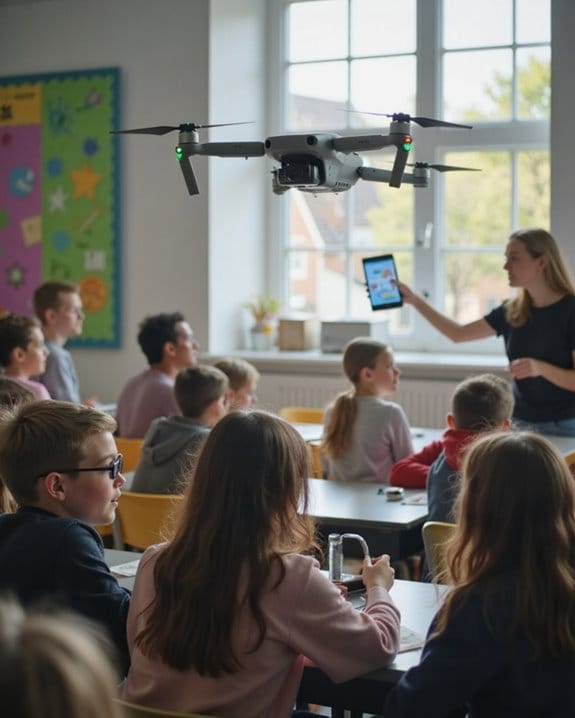
Drones are transforming education because you’re no longer stuck just learning theories—you get to fly, code, and collect real-world data right in class. Students as young as kindergarten can explore flight basics, while high schoolers tackle advanced programming and prep for industry certifications. You’ll see drones boost STEM skills, improve teamwork, and reflect real career needs, especially with the tech sector expecting over 100,000 new jobs soon. Interested in how drones fit different ages and learning goals? Keep going.
Key Takeaways
- Drones provide hands-on STEM learning, connecting classroom concepts to real-world applications in fields like engineering, coding, and environmental science.
- Students develop future-ready skills, including programming, data analysis, and sensor technology, preparing them for high-tech careers.
- Layered drone curricula support all ages, from simple piloting in kindergarten to advanced programming and certification in high school.
- Drone programs foster inclusivity by engaging underrepresented groups, helping close gender and diversity gaps in technology fields.
- The growing drone sector creates new job opportunities, with education programs aligning student skills to workforce demands and industry certifications.
The Rise of Drones in Modern Classrooms
You may be interested

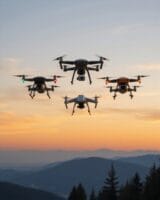
Although drones were once reserved for hobbyists and military experts, they’re now making big waves in classrooms nationwide. Schools are integrating drones into education, giving students hands-on learning experiences in STEM fields. Here’s how drones are reshaping school learning:
- Grade-Level Integration:
- Kindergarten: Simple drones for basic flight concepts
- High School: Advanced programming and piloting, prepping students for certifications like the Part 107 Drone Pilot License
- Inclusivity Initiatives:
- Programs like GLIDE and Drone Legends target underrepresented groups, especially girls, addressing the gender gap in drone piloting.
- Educator Support:
- Organizations such as She Maps provide drones, teaching resources, and teacher training, ensuring accessible and equitable drone education.
In short, drones are elevating STEM learning, making school more dynamic—no propellers required!
Recommended Products

EXCITING WAY TO LEARN: Inspiring young children to learn has never been more fun with this Playz science kits that allows kids to learn about computer science while creating binary necklaces, ancient encryption devices, sorting races, mystery mazes, pixelated pictures & much more! Perfect fun & hands on educational christmas or birthday gift for boys, girls, kids, & teens Ages 6, 7, 8, 9, 10, 11, 12+ Years Old

BUILD, CODE & DRIVE YOUR OWN ROBOT CAR: Turn coding, electronics and engineering into a working programmable robot car you can assemble, program and drive; ideal for weekend family projects, STEM classrooms, coding clubs, robotics lessons and maker challenges

Unique DIY Drone: This DIY drone integrates advanced optical flow positioning modules, video modules, and high-power brushless motors. You need to complete everything from every single screw to the overall assembly, and the assembly takes approximately 1.5 hours. It is recommended for users over 14 years old. Difficulty level: 5 stars (out of 5 stars).
Bridging STEM Concepts With Real-World Applications
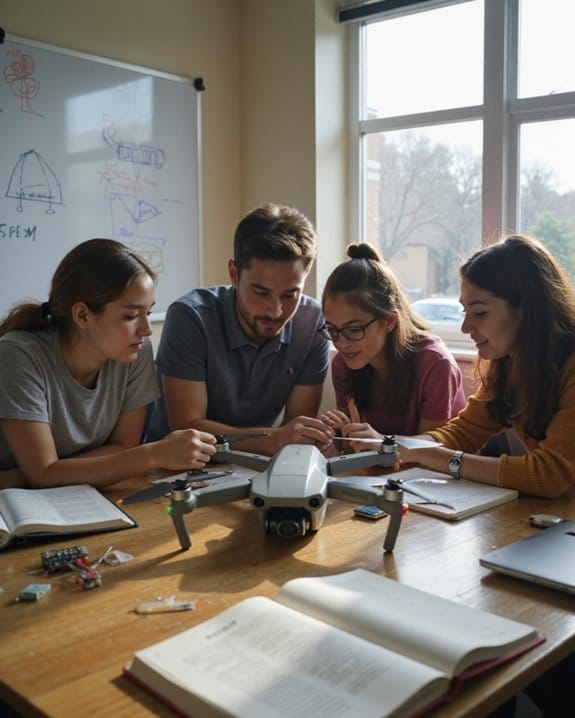
Bringing STEM concepts to life, drones offer a practical bridge between classroom theory and the challenges you’ll face beyond school walls. Integrating drones into your STEM curriculum transforms abstract lessons into tangible experiences. With educational drones, students learn about aerodynamics, lift, and physics by adjusting mechanics and observing flight operations in real time—no boring chalkboard equations required.
Key features of drone education include:
- Hands-on engineering: Design, build, and repair drones to understand mechanics, materials, and electronics.
- Programming: Code drones to execute flight paths, reinforcing algorithmic thinking.
- Real-world scenarios: Use of drones for crop monitoring, disaster response, or environmental data collection shows how technology addresses everyday issues.
This approach helps prepare students for high-tech careers by connecting STEM skills with real-world applications. Many beginner drones are designed with altitude hold and headless mode to enhance control, making them ideal tools for educational purposes.
Recommended Products

HANDS-ON DIY ASSEMBLY - Go beyond pre-built toys and experience the satisfaction of building your drone from scratch. This process develops critical thinking, STEM skills, and a deeper understanding of electronics and mechanics.

Drone with 1080P Camera: A camera mounted on it can be manually adjusted to see what's in front of the drone while it's flying, or it can be aimed down to see what's directly below it. I'm sure you can take some interesting photos & videos, or even use it to inspect the roof of a house or other hard-to-reach areas. Friends can shoot each other skating & capture really cool videos. Please charge the product using the provided charging cable. Before using this item, make sure to fully charge it.

The arm is made of nylon and fiber, which is very light, strong and durable. It’s good resistance to damage of hard landing.
Building Future-Ready Skills Through Drone Technology
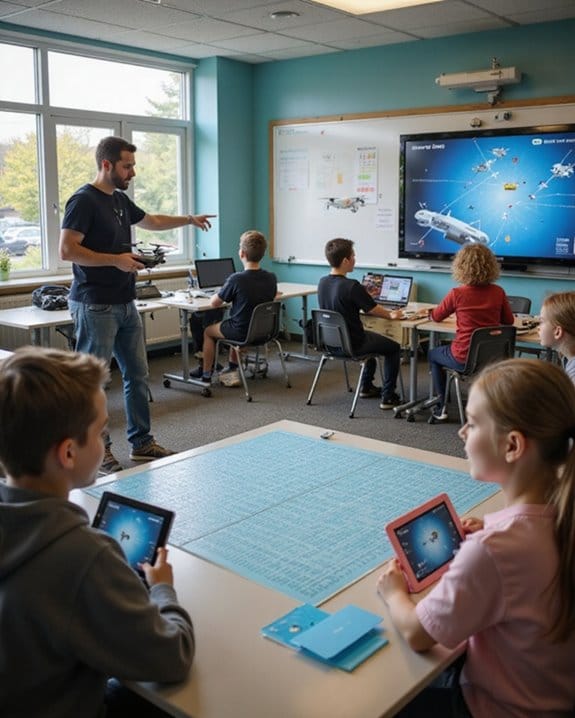
How can drone technology give students a competitive edge in tomorrow’s workforce? Learning with drones goes far beyond flying; you’ll engage students in real-world STEM (Science, Mathematics) education and computer science from an early age. By high school, students can prepare for the Part 107 Drone Pilot License, opening doors to careers in agriculture, inspection, and emergency response.
Consider these advantages:
- Drone programs like Woz ED and GLIDE develop coding, data analysis, and sensor technology skills.
- Hands-on activities using drones, such as programming Tello drones with Scratch, build creativity and troubleshooting abilities.
- Initiatives targeting underrepresented groups help address gender gaps—only 20% of commercial drone pilots are women.
As drone-related jobs are projected to soar, early exposure helps students master teamwork and technical skills that employers value. Many educational drones, including the Ryze Tech Tello, support block-based coding interfaces that make programming accessible and engaging for all skill levels.
Recommended Products

All-in-One Learning — The makeblock cyberpi pocket shield is a powerful programmable microcomputer with a built-in multifunction board. It guides learners step by step, starting from visual Scratch coding and progressing to Python programming, making it easy to master both beginner-friendly and advanced coding skills.

Hands-On STEM Robot Learning---This STEM robot kit combines coding, electronics, and robotics into a fun, hands-on learning experience. Powered by an ESP32 controller and guided by 16 story-based tutorials, this robotics kit for kids helps children ages 8–12 and 12–16 build real-world STEM skills. Ideal for robotics for kids, classroom teaching, or at-home learning.

【15+ Project-Based STEM Learning】 More than a robotic car, it's a complete coding curriculum. KEYESTUDIO detailed official Wiki guides you through 15 progressive projects—from basic LED control to Bluetooth multi-function robotics—building real programming and electronics skills step by step. Perfect for teens (15+) and adults who want systematic, hands-on learning. Ideal for classroom STEM programs, self-study, or hobbyist exploration.
Expanding Learning Opportunities With Hands-On Experiences
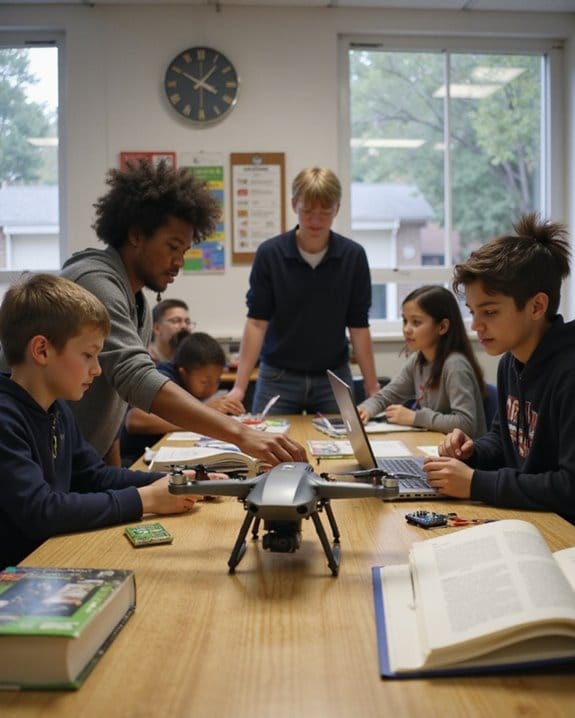
Why settle for theory when you can put STEM concepts into action with hands-on drone experiences? Drones allow students of all ages to move beyond textbooks by piloting, programming, and troubleshooting real drone kits. With programs like Woz ED, even school students in kindergarten get to use drones for simple observation, then gradually build and program advanced models by high school.
Key advantages for students and teachers include:
- Layered drone curricula, from Scratch coding to sensor-based experiments
- Real-world data collection with gyroscopes, accelerometers, and cameras
- Collaborative problem-solving that builds critical thinking
Drones Are Changing how you learn by offering safe, indoor piloting missions, as seen in the GLIDE program. If you’re looking for interactive STEM lessons, hands-on drone activities deliver unmatched engagement and practical know-how. Many kits, such as the DIY Drone Kit, provide comprehensive STEM knowledge by involving students in building and programming the drone themselves.
Recommended Products
1. Unique DIY Drone:This DIY drone integrates optical flow positioning modules, video modules, and high-power brushless motors.The assembly process takes approximately 1.5 hours and requires patience and hands-on skills. Recommended for users aged 14 and above. Difficulty level: 5/5.


𝐘𝐨𝐮𝐫 𝟏𝐬𝐭 𝐃𝐈𝐘 𝐃𝐫𝐨𝐧𝐞 - F450 is the best DIY drone for both beginners to learn the basics and experts to conduct research or secondary development.
Preparing Students for Tomorrow’s Workforce
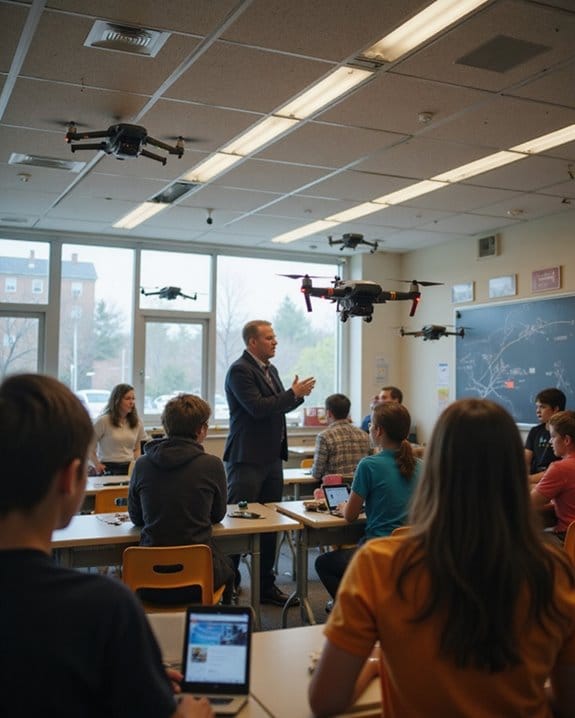
While hands-on drone activities make STEM concepts exciting, they’re also equipping students with the technical and problem-solving skills employers want. According to the Association for Unmanned Vehicle Systems International, over 100,000 new jobs in the drone sector are expected by 2026. That’s why early exposure to drones allows students to build much needed skills in coding, programming, and aerospace engineering.
Let’s break it down:
- Woz ED’s curriculum: Prepares you right out of high school to pass the Part 107 Drone Pilot License exam, opening doors to immediate commercial piloting.
- Rocket Drones: Focuses on certifications, logged hours, and portfolio building, making learning both practical and career-focused.
- GLIDE Initiative: Targets underrepresented groups, ensuring diversity in this rapidly growing field.
If you’re aiming for a future in technology or aerospace, drones are your ticket.
Recommended Products
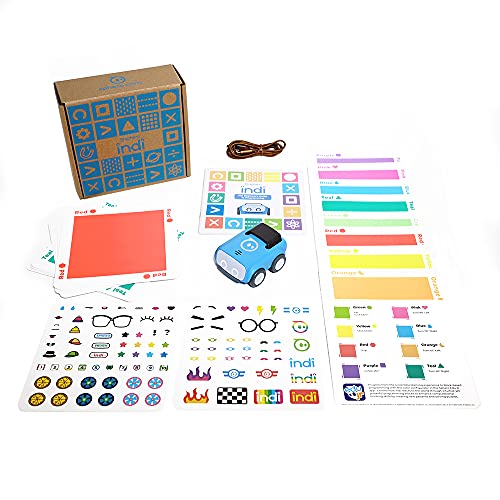
DESIGN AND CREATE: Teach kids to problem solve like an engineer as they design and build colorful, custom mazes for indi to navigate
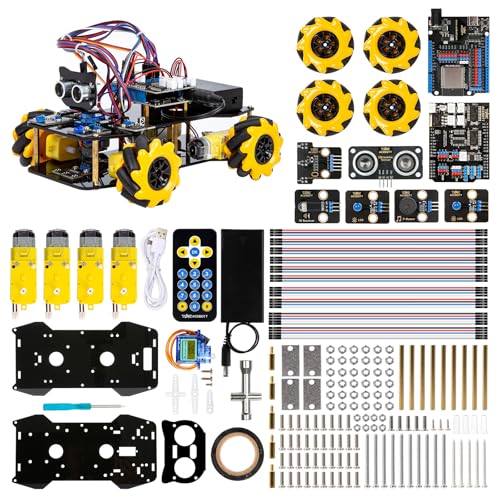
Beginner-friendly: The ACEBOTT smart robot car kit is controlled by an advanced ESP32 controller board, making programming easy. Through 16 story-rich tutorials, students will systematically master the principles of programming and electronic hardware, and easily master the mysteries of the smart car. (The robot kit does not include batteries)

Frequently Asked Questions
Are There Age Restrictions for Students Using Drones in Schools?
You’ll find age restrictions for students using drones in schools often depend on local or national regulations. Typically, students under 16 need adult supervision, and you’ll always want to check your school’s specific drone policy.
What Safety Measures Are Required for Drone Use in Classrooms?
You’ll need to establish safety zones, make sure students wear protective gear, and always supervise drone flights. Don’t forget to teach pre-flight checks, emergency procedures, and follow your school’s policies and local regulations for safe classroom drone use.
Do Schools Need Special Licenses to Operate Drones for Educational Purposes?
Think of flying drones in school like steering a ship—you’ll need your permit! You can’t just set sail; schools usually need special licenses, following FAA rules, to make sure you’re operating drones safely and legally in class.
How Much Does It Cost to Implement a Drone Program in a School?
If you’re considering a drone program for your school, costs can range from $1,000 to over $10,000. You’ll need to budget for drones, accessories, software, training, and potential insurance, depending on your program’s scale.
What Types of Drones Are Most Suitable for Educational Settings?
You’ll want to choose drones that are durable, easy to fly, and have built-in safety features. Look for models with basic cameras and programmable functions, so students can safely explore coding, engineering, and aerial photography in class.